Uncategorized
United Kingdom Welcomes Big Bass Crash Release Gamer-First Approach
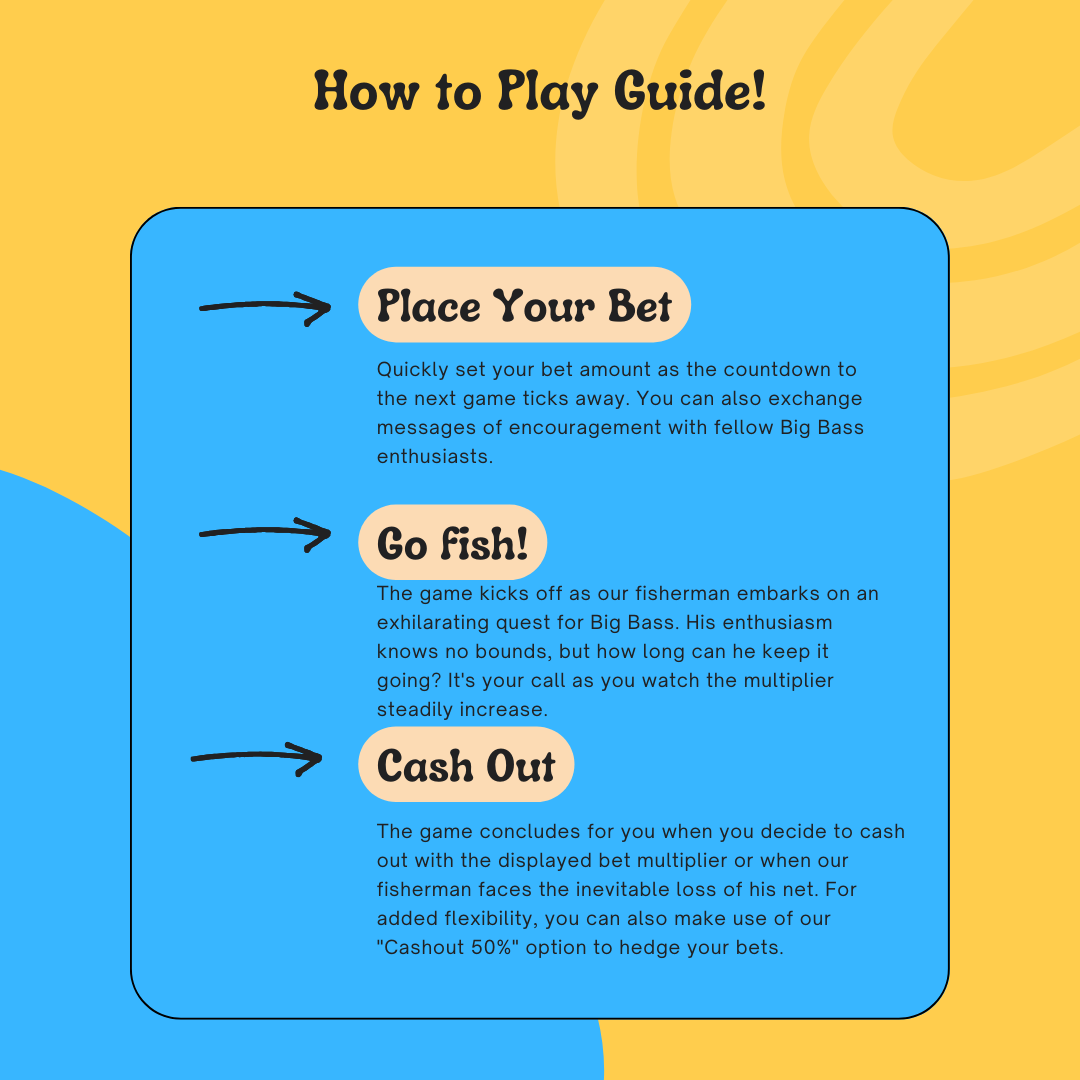
The battle for attention in internet gaming is brutal. Developers typically use eye-catching graphics or constant marketing. However a different approach is taking shape. Genuine long-term success isn’t born from a gimmick. It originates from a straightforward notion: value the game big bass crashr. This is known as a “Player First” approach. It involves clear rules, honest gameplay, and letting the community guide a game’s development, rather than chasing quick profits. The UK industry, renowned for its savvy players and strict rules, demonstrates this clearly. Take the Big Bass Crash release. Its growth wasn’t luck. It’s an obvious lesson. When a game’s design matches what players really care about, it fosters a dedicated following. This alignment is changing what people expect. It proves that in today’s online landscape, the smartest strategy is to let the player take the lead.
The Future of Gaming: A Permanent Change Towards the Player
The warm reception for Big Bass Crash’s approach in regions such as the UK suggests a larger, permanent change for the industry. As players get more savvy and authorities implement tighter controls, the commercial rationale for shady or greedy design diminishes. The path forward heads to games designed for sustainable engagement, where trust and entertainment are the key methods for engaging players. We can expect to see more innovation in straightforward systems, improved social and community features, and even better incorporation of responsible gambling tools within the game experience. Games that embrace the Player First blueprint, emphasizing long-term community over immediate profit, are ready to define this new era. They reveal a basic truth. The best way to develop a thriving game is to truly respect the intellect, freedom, and interests of the individual holding the device.
Comparative Analysis: Player-First vs. Classic Models
Comparing the Player First model versus older game designs shows why it’s becoming popular. Many traditional games, particularly in the online casino space, use strategies aimed at keep players hooked on the screen and spending non-stop, occasionally without their full consciousness.
- Complexity vs. Simplicity: Classic slot machines might feature complicated bonus games and dozens of paylines that are hard to track. Big Bass Crash presents one simple mechanic.
- Command: Games with auto-play and quick-spin options can make the player a passive bystander. Big Bass Crash demands a hands-on, conscious decision for every single round.
- Openness: Some games hide their Return to Player (RTP) percentages or feature extreme fluctuation. The crash game model offers an immediately clear, though uncertain, risk profile.
- Shared Experience: Plenty of games are lonely activities. The crash format naturally builds a collective, live session.
Openness and Equity as Unwavering Pillars
UK users, influenced by stringent regulations from the UK Gambling Commission, don’t see transparency as a extra. They see it as a necessity. Big Bass Crash fulfills this requirement head-on. The chance of each crash is verifiable and protected. The product typically uses certified Random Number Generator (RNG) mechanisms that endure regular reviews. It doesn’t claim to be a expertise game where it is not. Instead, it presents itself honestly as a game of probability with one defined point of planning. This integrity fosters a name. Gamblers can participate knowing the platform’s soundness is a focus, which is a cornerstone of responsible play. The reverse approach—a impression that results are tampered or vague—shatters confidence quickly. It’s a pitfall the game’s creators meticulously evade.
Why the UK Market is Particularly Responsive
The UK’s online gaming scene is among the most mature and tightly regulated anywhere. This has fostered a gambling audience that is both highly safeguarded and extremely choosy. Decades of regulatory changes have informed players about their rights and what fair, ethical design involves. They are fast to abandon games that feel manipulative or are opaque. Big Bass Crash, with its unambiguous mechanics, focus on controlled choices, and natural alignment with responsible gaming tools, fits perfectly into this environment. It meets compliance requirements not as a tedious necessity, but as a central design objective. Its increasing traction demonstrates a market making a choice. Players are selecting a product that reflects their principles. They favor direct, entertaining, and ethically crafted games over those that are built purely on glitzy gimmicks or compulsive patterns.
Creating a Community Around Collective Instances
The experience of Big Bass Crash extends past a single player’s screen. It establishes a Player First world by generating shared moments, which are crucial for a game’s lifespan. The format is social by nature. Multiple players ride the same climbing multiplier curve, sharing the collective buzz as the numbers rise. This naturally sparks conversation. People exchange tactics and celebrate or groan over a crash together. Online platforms and live streams amplify this effect, turning a solo game into a group spectacle. Developers and the sites offering the game often encourage this. They highlight major wins and make space for players to interact. This community work changes the game. It ceases being just software and evolves into a social spot. The value isn’t only in a potential payout, but in joining a group’s exciting moment.
The Simple Strategy That Gives Players Control
Big Bass Crash finds its power in a simple idea. This straightforwardness, oddly enough, leads to serious immersion. Players don’t need to learn intricate rules, symbol charts, or lengthy prize tables. The whole experience hinges on a single, critical decision: pressing the “Cash Out” control prior to the multiplier collapsing. This keen focus puts control in the hands of the gamer. They alone are answerable for their selection, depending on their own appetite for risk. It creates a tangible suspense, a direct line between decision and consequence. This feeling of control is central to the User-Focused idea. By paring down the session to just one distinct, gamer-directed wager, the offering values the player’s freedom and discernment. A success feels like a personal achievement. A defeat is perceived as a familiar gamble, not a confusing malfunction in the platform.
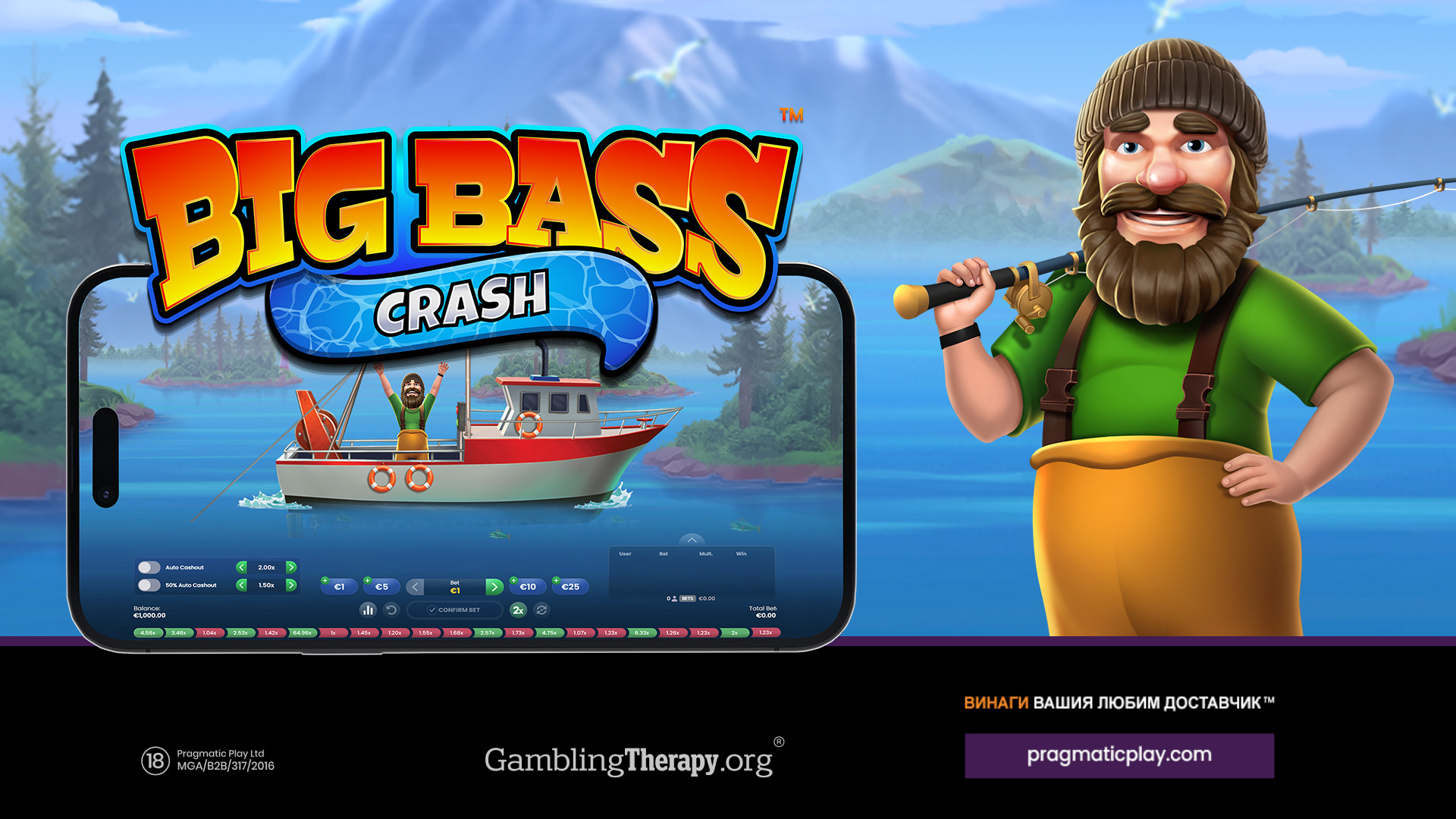
The Way Big Bass Crash Embodies Core Player-Centric Values
Big Bass Crash puts its player-first rhetoric into action through specific design decisions. The main game mechanic is a multiplier that rises a curve until a random “crash” happens. Visually, it’s straightforward. Players grasp the risk and reward instantly. There are no hidden mini-games or confusing bonus features to complicate the experience. This clarity is paramount. The game also avoids elaborate stories or complex leveling systems that might pressure players into longer sessions. Every round is a fresh start. The player decides when to play and for how long. A clear, intuitive interface gets out of the way. The focus remains on that one strategic choice: when to cash in. This design values the player’s intelligence. It presents a tool for fun, not a maze created to hold and maintain attention.
Safe Gaming Design Integration
A real Player First philosophy must vigorously support safe play. Here, the very structure of Big Bass Crash provides inherent safeguards. The product is built on compact, separate rounds. This generates organic stopping points, unlike the endless, automated loops of some slots. Reputable UK platforms add to this by including required tools like deposit limits, session timers, and easy links to support services such as GamStop and GamCare. The game’s clear design also assists with self-monitoring. Because the core action is a solitary, considered cash-out decision, gamblers might become more conscious of their wagers compared to the rapid, machine-driven play of alternative genres. This design illustrates that ethical play can be part of the game’s core, not just a sidelight in the fine print.
Decoding the “Player First” Approach in Gambling
“Players First” is more than a tagline. It’s a framework that molds a game from the ground up. It affects how the game works, how the studio communicate with users, and how it develops over time. The old paradigm saw players as consumers. The new paradigm treats them as partners. This partnership calls for transparent mechanics, not gimmicks that capitalize on human nature. It needs clear, upfront details on any funds wagered. And it entails listening when users give feedback. In places like the UK, with robust consumer laws, this approach works well with both the regulations and the local norms. For a game like Big Bass Crash, it’s about building trust through consistent structure. The excitement should arise from the game itself, not from obscured rates or a pressure to keep betting. The result is a more sustainable ecosystem that helps everyone.
